The British Omani Society was delighted to welcome Hamid Hamirani, former Advisor to the Minister of Finance in Oman, for an insightful discussion on how the Sultanate can build on its recent reform momentum to accelerate export diversification.
Hamid set out a clear, evidence‑based case that Oman has made clear strides in recent years. It now boasts world-class infrastructure, a stronger business environment, expanded access to education, and a more empowered private sector. These reforms have created a strong foundation for the next stage of growth: expanding non-hydrocarbon exports.
Hamid argued that Oman should take three clear actions:
- Move up the value chain in manufacturing
- Expand high-value services (e.g., ICT and professional services)
- Leverage Oman’s repositioned role in regional and supply chains
Recent developments have reinforced why this shift is both timely and achievable.
Non‑hydrocarbon activity now accounts for a much larger share of GDP, yet government receipts remain heavily dependent on oil and gas, with roughly 80% of fiscal revenue still comes from hydrocarbons. Despite that shift in output, Oman’s manufacturing share of non‑hydrocarbon GDP remains small (about 8% versus roughly 21% in benchmark economies such as Singapore), and export complexity is low, a structural gap that limits higher‑value trade and jobs.
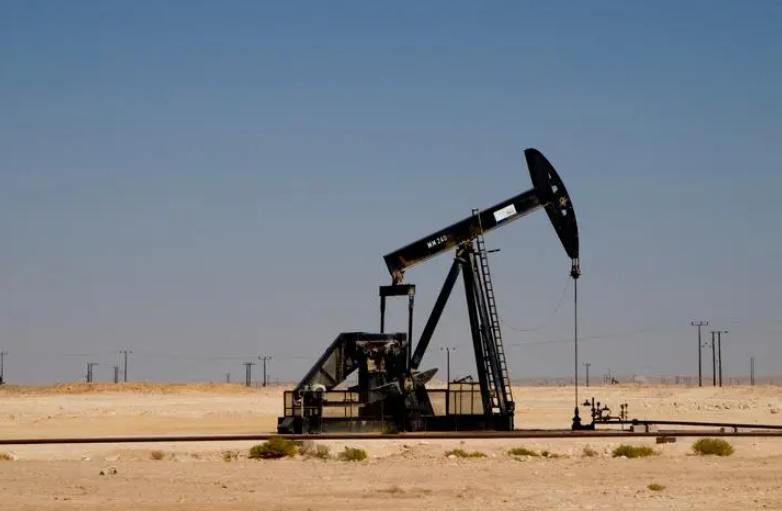
Image used for illustrative purpose Marmul, Dhofar, Oman, Middle East. Getty Images. Getty Images/Getty Images
The IMF analysis Hamid referenced points to a clear prize if reforms are implemented. He highlighted IMF regression work showing that coordinated improvements across governance, infrastructure, education and labour could materially raise non‑oil per‑capita exports. He also argued that the recent regional geopolitics of shipping and logistics being routed outside the Strait of Hormuz, creates a strategic window for Oman to position itself as a resilient supply‑chain hub, attracting manufacturing and logistics activity that values stability and port access.
There are concrete achievements to build on. Institutional reforms and new vehicles such as the Omani Investment Authority have catalysed local projects and leveraged private co‑investment; “Omani Investment Authority… deployed 1.2 billion across 143 projects with approximately 2.1 billion additional private and foreign co‑investments.” At the same time, the Muscat Stock Exchange has expanded its market capitalisation and Oman has regained investment‑grade recognition from S&P, developments that lower borrowing costs and improve investor confidence, making private investment in higher‑value exports more viable.
Turning those foundations into durable export diversification will require focused execution:
- Faster customs and licensing reform to cut transaction costs for exporters;
- Stronger links between infrastructure projects and SME supply chains so local firms can scale
- Education and reskilling aligned to industry needs
- Targeted policies to move raw‑material exports up the value chain into processing and finished goods.
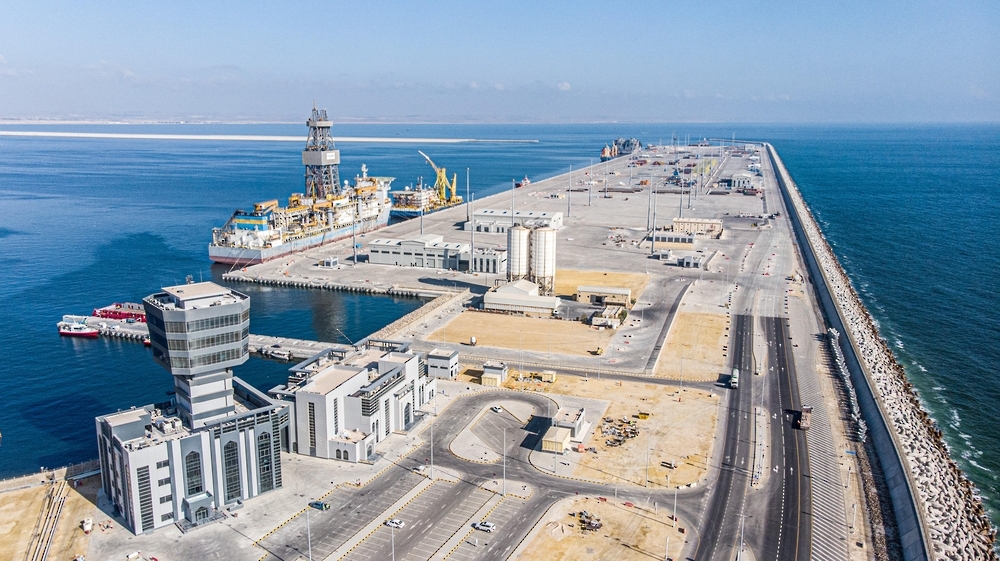
Hamid described the Smart Industry Initiative (SII), a British Omani Society‑backed platform to link UK deep‑tech and university spin‑outs with Omani industrial partners. The initiative aims to:
- Localise advanced technologies through joint ventures so IP and high‑skill jobs remain in Oman.
- Create industrial linkages that raise backward participation (moving from raw‑material exports to higher‑value processing and finished goods).
- Support SMEs to become local suppliers and reduce economic leakages.
Through a portfolio that spans clean energy, advanced manufacturing, and digital infrastructure, the SII is designed to strengthen Oman’s non-hydrocarbon sectors and support the development of higher-value, export-oriented industries.
Policy and Implementation Priorities Emphasised
-
Regulatory and trade facilitation: Faster customs clearance, streamlined licensing and stronger inter‑agency coordination to reduce transaction costs for exporters.
-
Link infrastructure to SMEs: Ensure ports, logistics and industrial zones are connected to SME supply chains and finance channels so local firms can scale.
-
Skills, education and labour market reform: Align education spending and curricula with industry needs; expand reskilling to manage automation risks and raise female labour participation.
-
Targeted technology visas and talent flows: Allow specialised foreign technical talent where needed to transfer skills and accelerate local capability building.
-
Value‑chain upgrading: Move from exporting raw commodities to processing and finished goods (Hamid used gypsum as an illustrative example of value‑chain uplift).
Hamid stressed that the foundations are in place, Vision 2040 and the 11th Five‑Year Plan already target manufacturing, digital economy and logistics, but the success depends on execution.
Watch the webinar here.
Access the slides here.