The 2025 NGG Delegation took place in London from 26 to 27 November 2025, with a cultural day on 28 November, generously supported by long‑term sponsor: bp Oman. The delegation offered a unique platform to explore the central and emerging issues shaping the important bilateral relationship between the UK and Oman — from trade and diplomacy to energy and innovation; key themes that closely aligned with the priorities of Oman's Vision 2040.
Blog written by Ibrahim Al Jahwari, MPA in Data Science for Public Policy candidate at The London School of Economics and Political Science
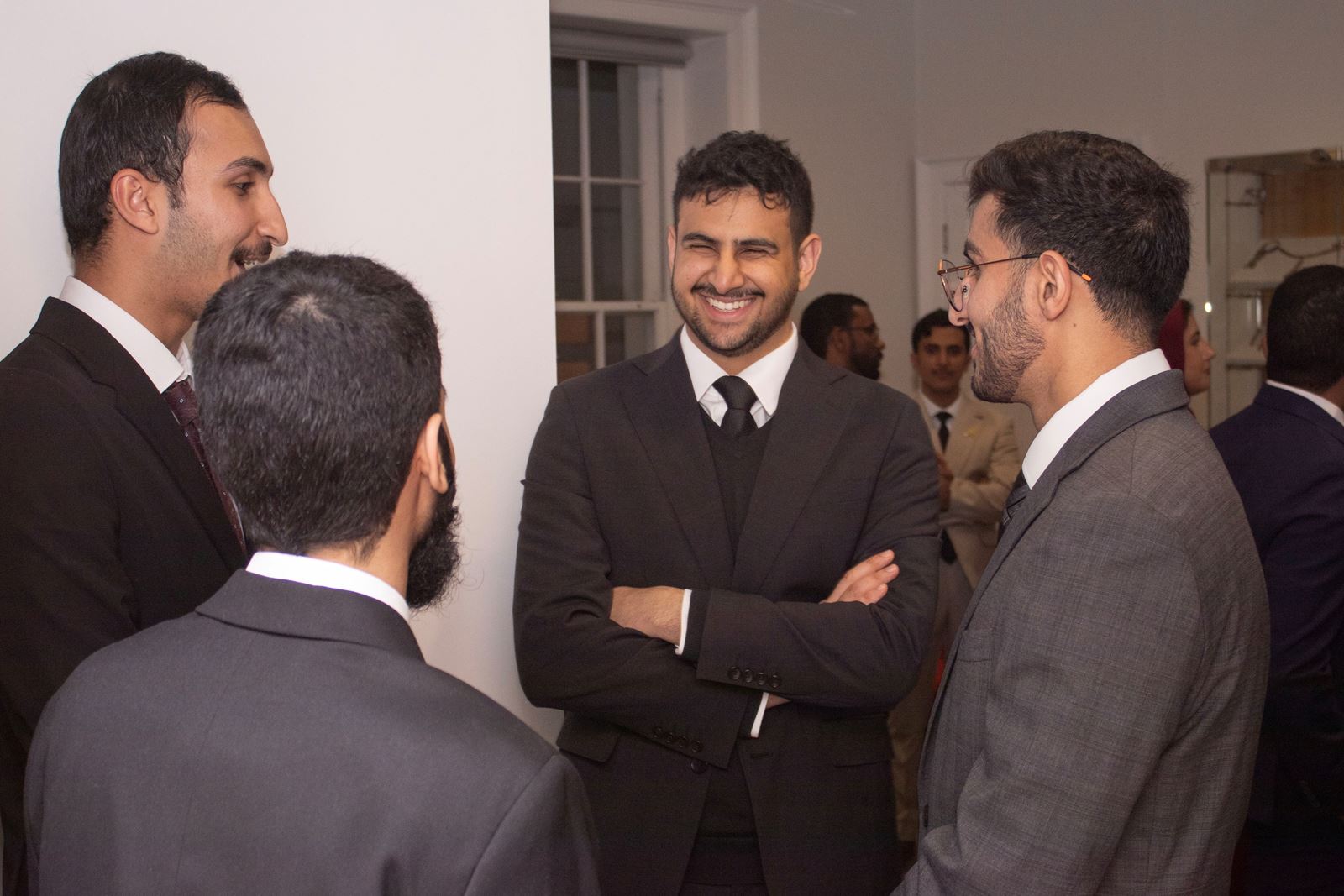
I joined the NGG Delegation thinking I understood innovation. As a student at LSE, where Philippe Aghion teaches and was recently awarded the 2025 Nobel Prize in Economics for his work on innovation and growth, I had absorbed the theory of creative destruction: the idea that societies advance when old technologies give way to better ones under the pressure of real constraints. But 'innovation' had always been a buzzword, something that lived in growth models and equations. The programme changed that. It showed me innovation in action: messy, constrained, and profoundly real.
But what drives real innovation? Not resources or ambition, as I had assumed, but rather constraints: constraints in geography, energy systems, institutions and budgets. Every session revealed how people in Britain and Oman navigate these pressures and transform them into opportunities. That insight became the thread connecting the entire week.
Innovation in Energy
Much of the historic relationship between Britain and Oman has revolved around energy, and today both countries are navigating their own versions of an energy transition. The United Kingdom has moved quickly on renewables, but the pace has exposed the limits of its infrastructure.
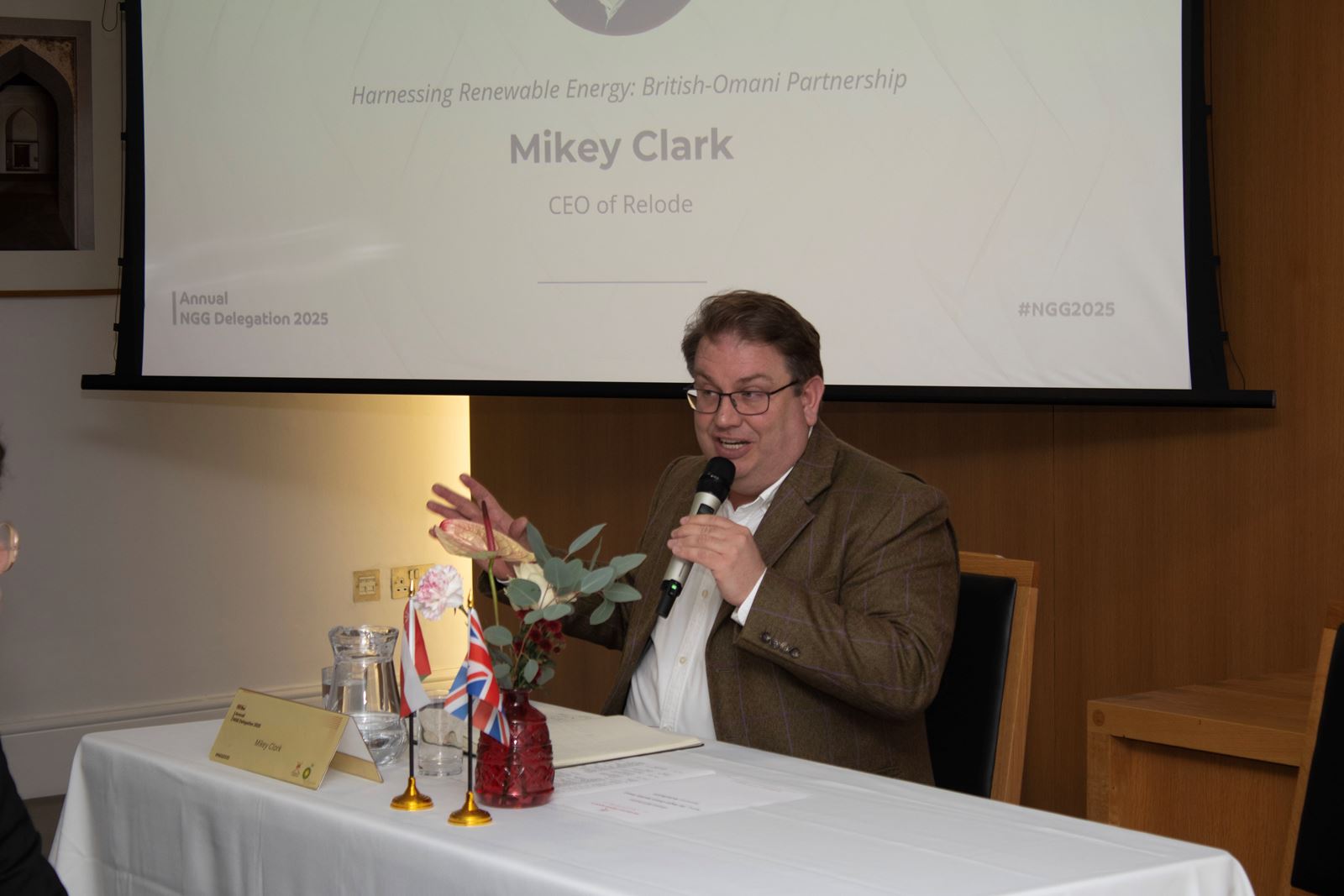
As Mikey Clarke, CEO of Relode, noted, being an island means the UK cannot lean on neighbouring grids to absorb fluctuations, so every imbalance has to be managed internally. The result is a system under strain. Energy suppliers and consumers face queues that can stretch beyond ten years for a grid connection, and fast growing electricity demands from data centres push the network to its limits. With fewer legacy complications, Oman can design a grid that anticipates future loads, integrates renewables more smoothly and leaves room for technologies that will mature over the next decade. In that sense, constraint becomes an advantage. It allows Oman to innovate deliberately rather than reactively, using its flexibility to create an energy system that is resilient before it is stressed, not after.
Innovation in Architectural Engineering
A different form of constraint emerged in our discussion with Jose Amorim, Managing Director of NJP Oman.
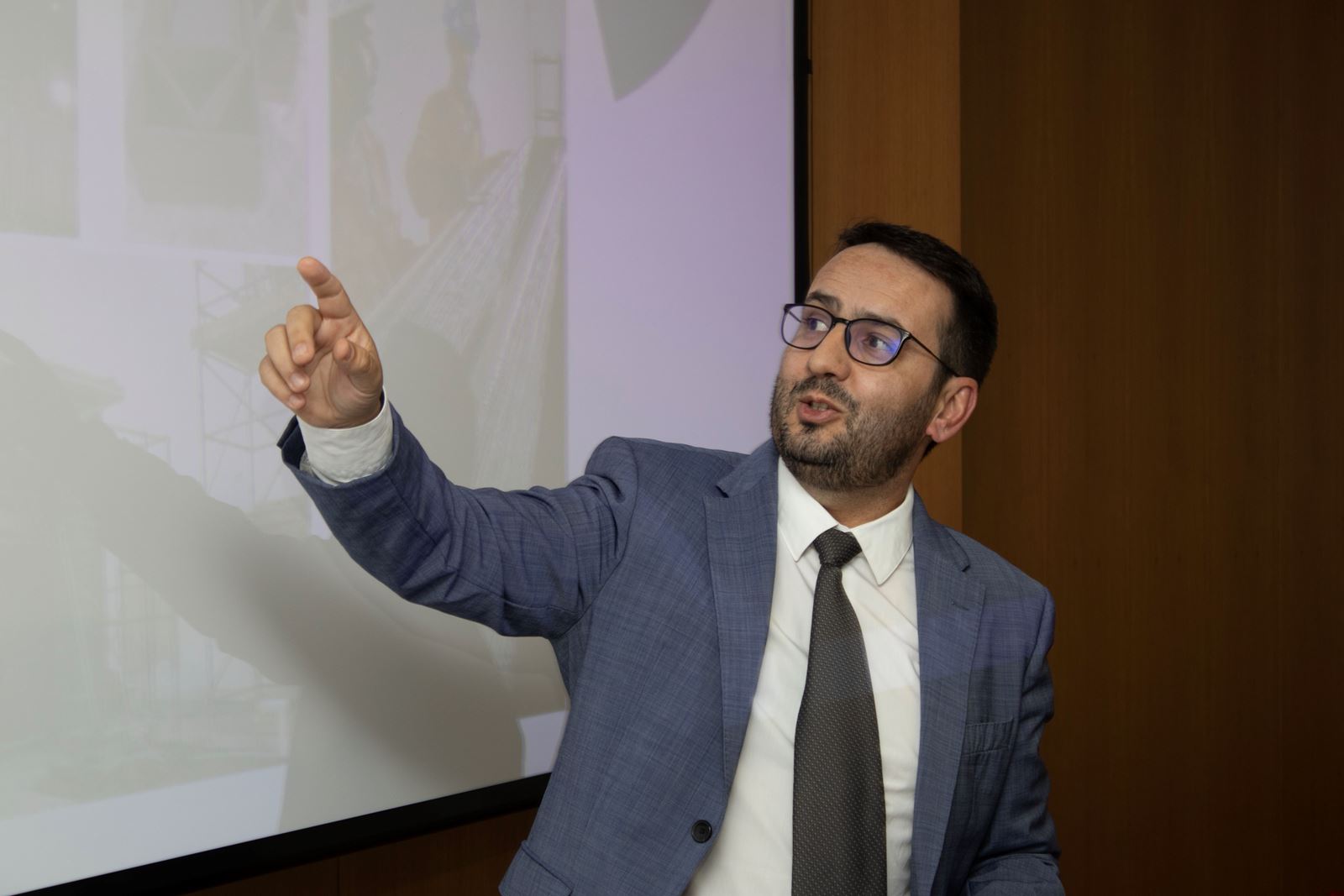
He explained that many Omani architectural projects are shaped by sensitive ecosystems, mountains and coastlines that push engineering to its limits. Rather than clearing sites and starting from scratch, teams work with the environment - building around mountains and mangroves. It is a reminder that innovation is not always about new technology but about adapting design to place, which is one of Oman's most valuable capabilities.
Innovation Through Human Interaction
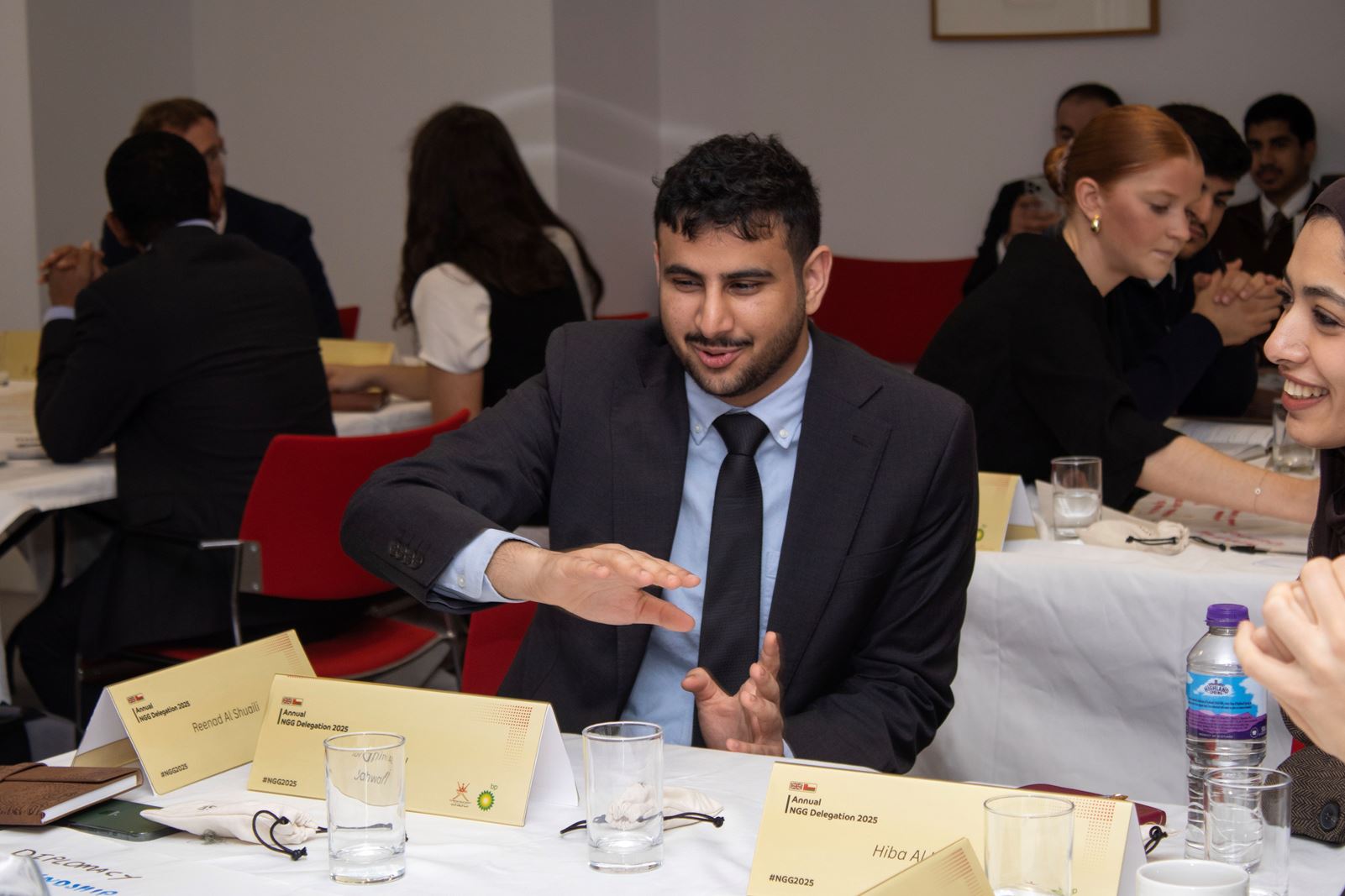
The delegation also highlighted the role of people and space. Andrew Roughan, CEO of Plexal, described how innovation hubs are built to create collisions. These are moments when individuals with different skills meet by chance, challenge each other and sometimes build something new. The Omantel innovation lab follows a similar philosophy by inviting both internal teams and outsiders to experiment, and perhaps contributed to Oman’s recent rise in the Global Innovation Index.
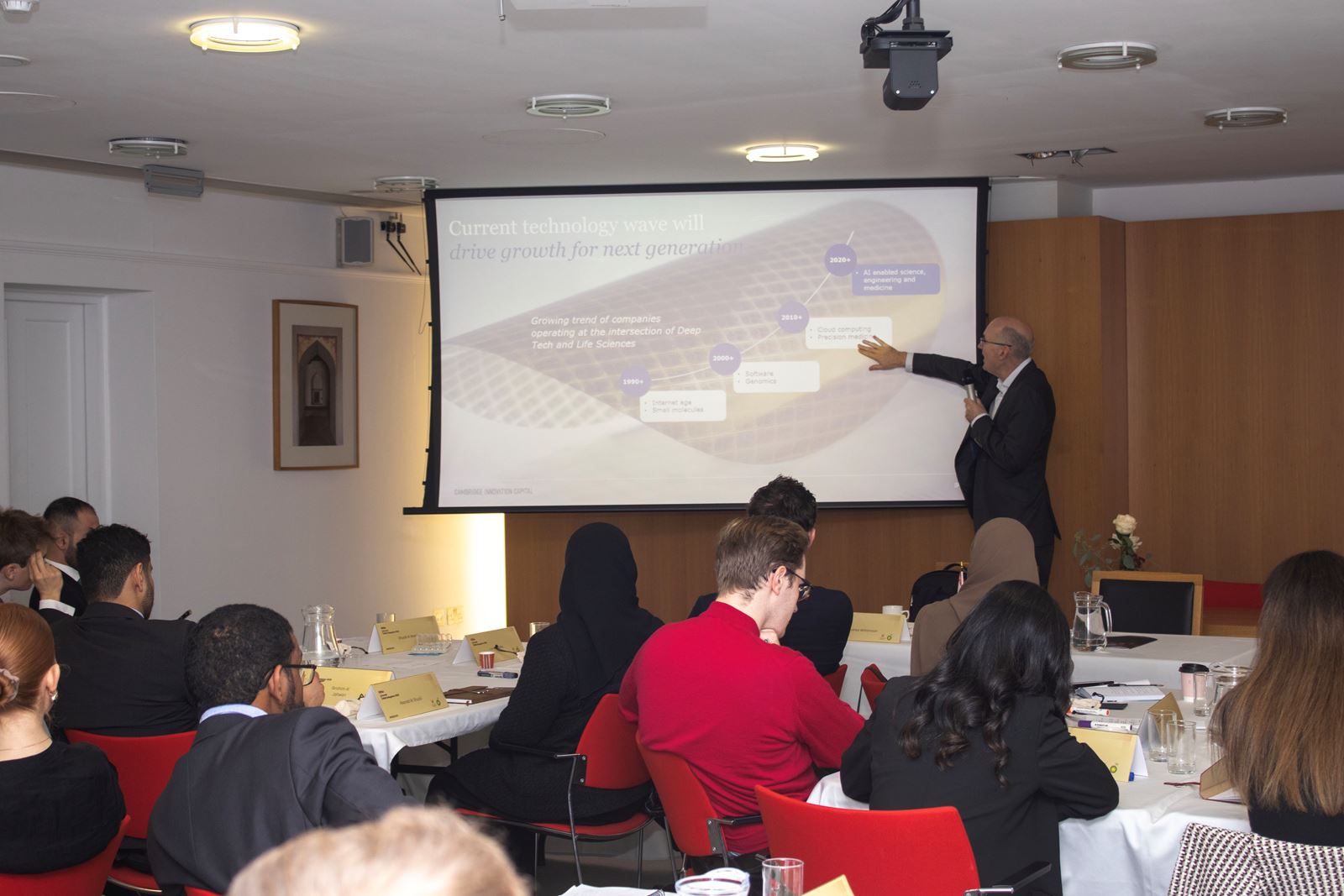
Andrew Williamson, Managing Partner at Cambridge Innovation Capital, shared examples such as CMR Surgical that show what becomes possible when research institutions, investors and government work in an aligned environment. Sir Alan Duncan’s reflections added another dimension to this, reminding us that innovation does not only happen in labs or boardrooms but also through diplomatic relationships that create the conditions for collaboration in the first place.
Reflections for Future Leaders
The week made one thing obvious: innovation doesn't happen because someone had a brilliant idea. It happens because systems create space for people to test things, fail, and try again. And it happens faster when constraints force hard choices.
Britain's grid can't balance itself by borrowing power from neighbors. Oman's architects can't bulldoze through mangroves and mountains. These aren't unfortunate limitations, they're the reason both countries are finding solutions others haven't needed to develop yet. Aghion won a Nobel Prize for showing that innovation follows problems, not the other way around. This delegation proved it.
The question for future policymakers isn't whether Britain and Oman should collaborate more - they already are. It's whether we can learn from how each country responds to pressure, bring that knowledge into our own decision-making, and stay comfortable with the mess that comes with trying something new.
NGG 2025
Celebrating the 12th New Generation Delegation: The British Omani Society Advances Bilateral Cooperation
The Power of Synergy: an exciting time for British-Omani collaboration