As part of InciSioN’s delegation programme, Dr Jubran Al Hooti was selected to attend the UN High-Level Political Forum on Sustainable Development in New York, supported by a grant from the British Omani Society.
Blog written by Dr Jubran Al Hooti
In July 2026, I traveled from Oman to United Nations Headquarters in New York as one of five delegates selected by InciSioN, the International Student Surgical Network, to attend the UN High-Level Political Forum on Sustainable Development. This is thanks to a grant from the British Omani Society, which allowed me to represent InciSioN's global student membership. Moreover, this was an opportunity to have a Omani voice speaking directly about global surgery and health diplomacy in a room where that voice is still rare.
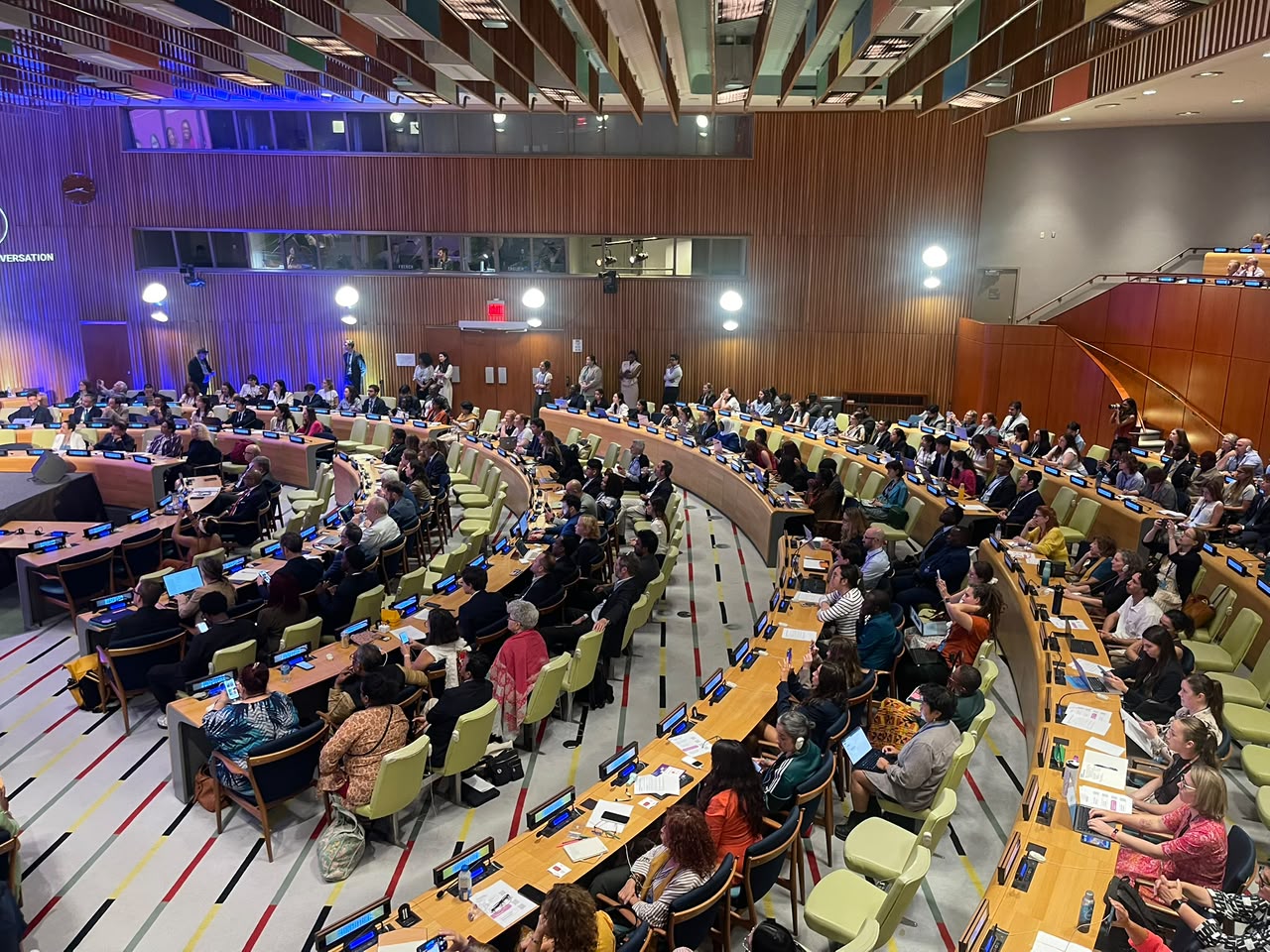
The Society’s support covered far more than travel expenses. It made possible nine days of sessions on water and sanitation, eye health, youth engagement and the General Debate itself, each adding a new layer to how I understand global health policy. At the “Act, Allocate, Accelerate” session on the Global Compact for Eye Health. Something said stuck with me, “of the 1.1 billion people living with vision impairment worldwide, roughly nine in ten cases are treatable or preventable.” The barrier is not medical knowledge, it is the advocacy required for delivery and financing, both of which are crucial to achieving accessible, safe, and affordable surgical care. As a doctor, in a forever understaffed field, my role goes beyond treating the patient in front of me, I have to expand my reach to benefit the population as a whole. Global surgery advocacy was the answer, the link that for me was only clarified with this experience.
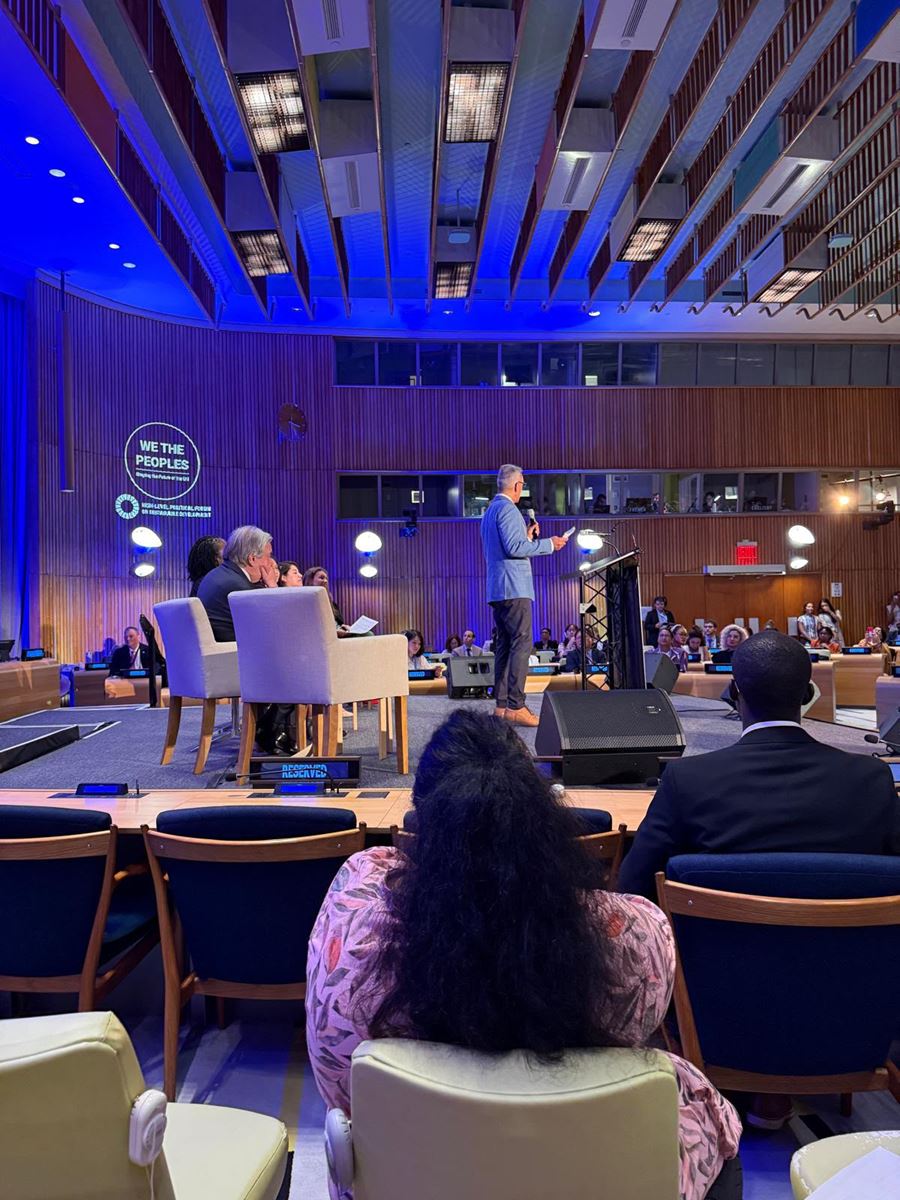
This project only had meaning because it was shared. Working alongside international colleagues on the InciSioN delegation, I was reminded daily of the Society’s own purpose: building a living bridge between Britain and Oman. My own medical training in Dublin gave me a natural way to speak to both audiences, describing what I witnessed at the UN to friends and family in Muscat, while explaining to British and Irish peers why a Omani perspective belongs in these policy conversations. One of my most memorable moments came in a meeting with Ms. Maisa Al Ruqaishi of Oman’s Permanent Mission to the UN, who was generous with her time and encouragement and who embodied exactly the connection the Society exists to nurture. That exchange also gave me the opportunity to speak with representatives from both Oman and the UK about global surgery, and to discuss how the two countries might collaborate further in pursuit of that shared goal. A harder moment came in an HLPF session conducted mainly in Mandarin, a reminder of how much diplomacy depends on translation and communication.
I return home with numerous contacts from around the world, a sharper understanding of institutions from the UN Water Conference to the WHO Youth Council. I return with a personal commitment to bring these conversations back to Oman. If there is one lesson I would pass on to anyone considering a similar project, it came from the youth sessions rather than any plenary. Youth participation at the Forum took two very different forms, in spaces we helped shape real recommendations. Whilst in others, we spoke for a few minutes and watched the conversation move on without us. That distinction between being represented and being heard is one I now carry into every future delegation.
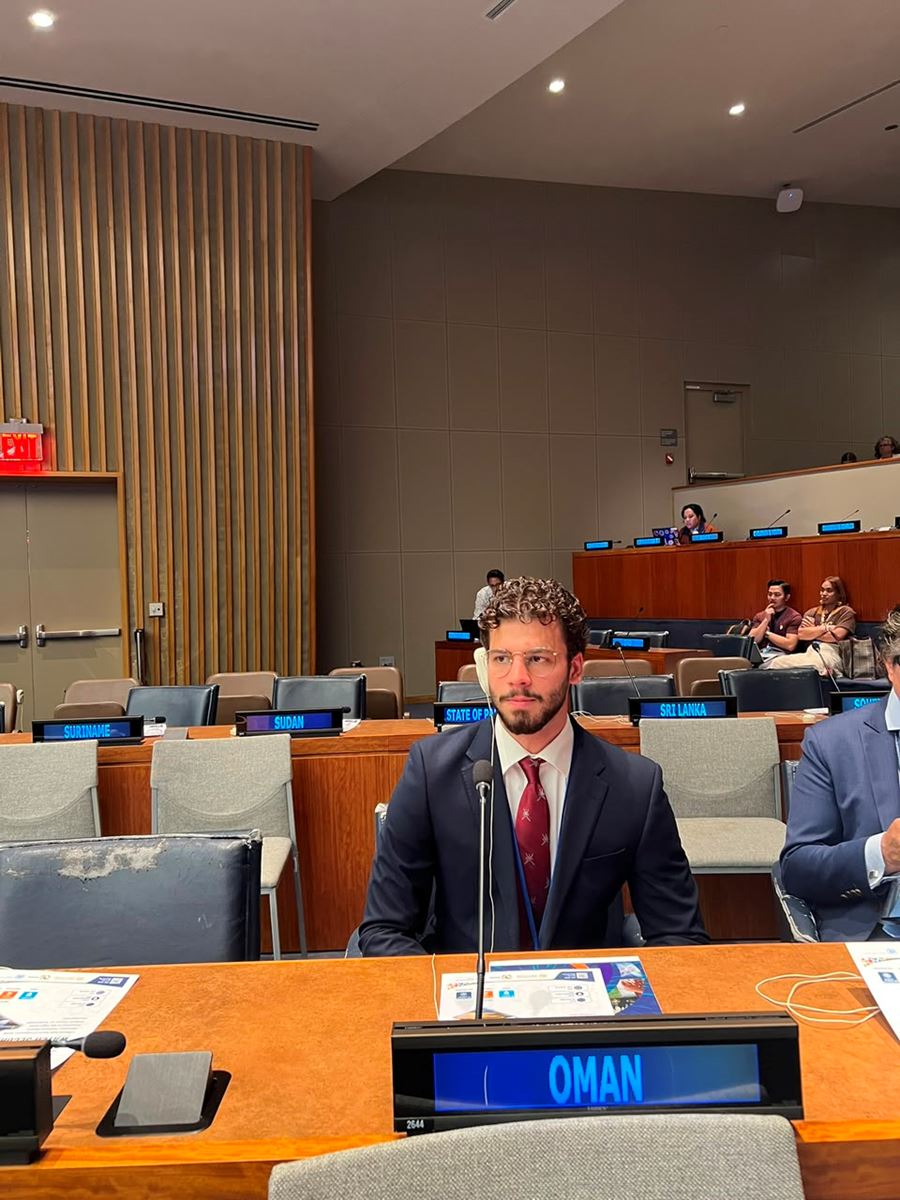
I hope this opens a door for Omani and Arab students in Britain and Ireland who may not yet know that rooms like this one are open to them. As I told fellow delegates: surgical care doesn’t get funded in an operating theatre, it gets funded in rooms like the ones I sat in this July. My hope for any young Omani considering a similar path is simple: do not wait to be invited in. Start walking through the door, because no one will advocate for your community as convincingly as you can.
I want to end by thanking the British Omani Society for the trust and support that made this journey possible. Being given this opportunity as a young Omani speaks to exactly the kind of investment BOS makes in the next generation, and I am sincerely grateful for it.