Blog written by ALS 2026 Participant, Tasneem Edoo
When I applied to the British Omani Society’s Arabic Language Scheme, I expected to improve my vocabulary and fluency. Having studied Arabic at university, including a year abroad in Jordan, I could say that I knew Arabic, but it hardly felt like a part of me. I stumbled like a repeatedly braking car when speaking with my Arab friends. Arabic had become an acquaintance rather than a dear friend.
I came away from the programme with significantly improved Arabic. More importantly, however, Oman reshaped the way I think about the language itself.
Oman reminded me that Arabic does not exist only in medieval manuscripts and newsarticles. I was reminded that it is a language that is lived. Every conversation in a café, every interaction in a shop, every taxi journey and every joke with new Omani friends became an opportunity to practise.
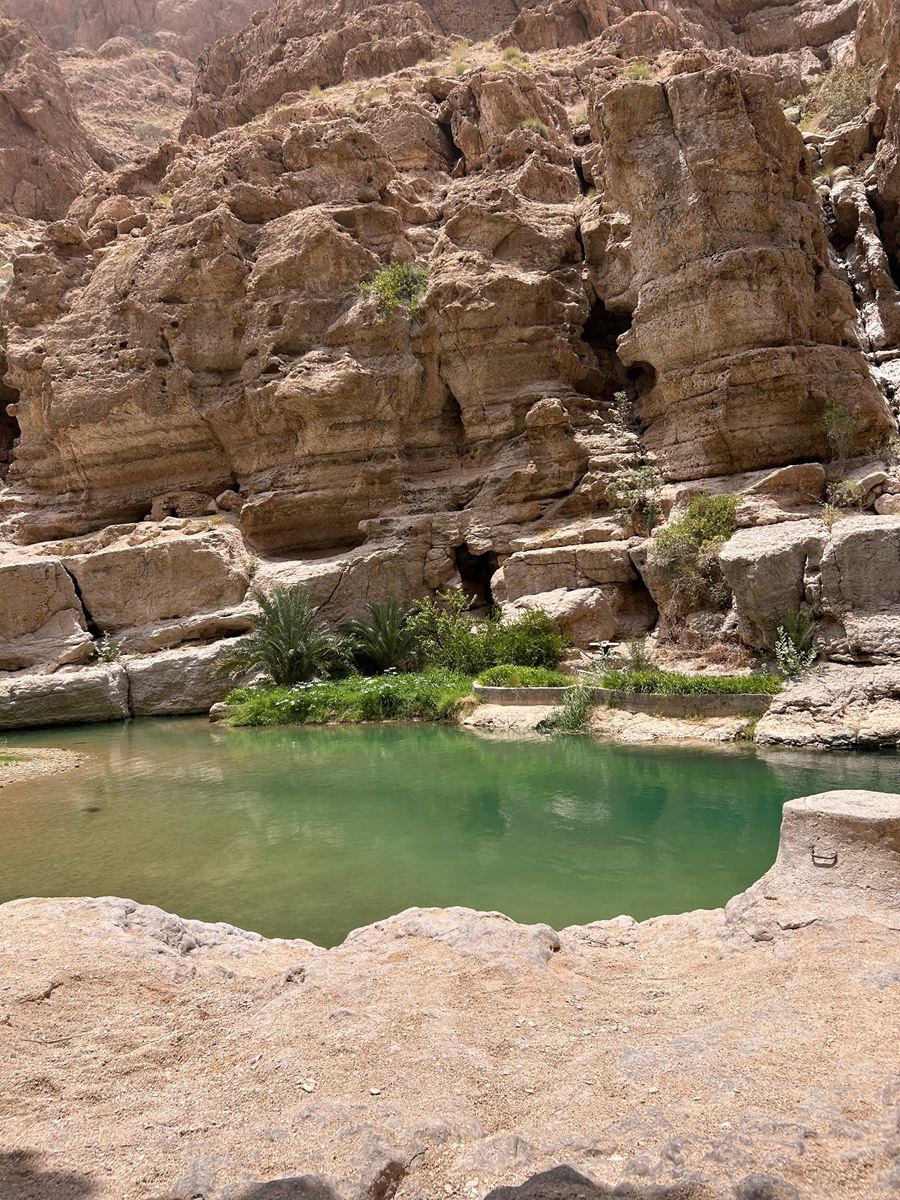
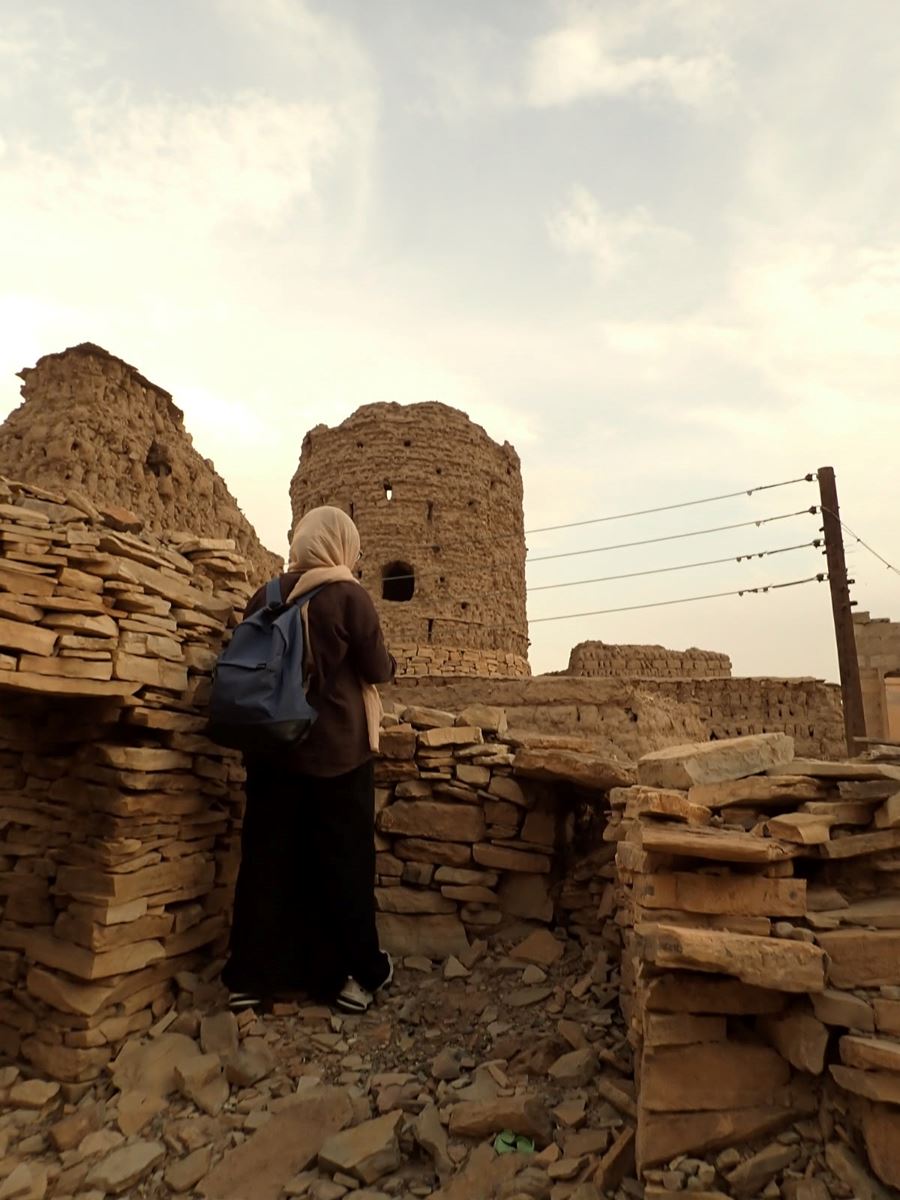
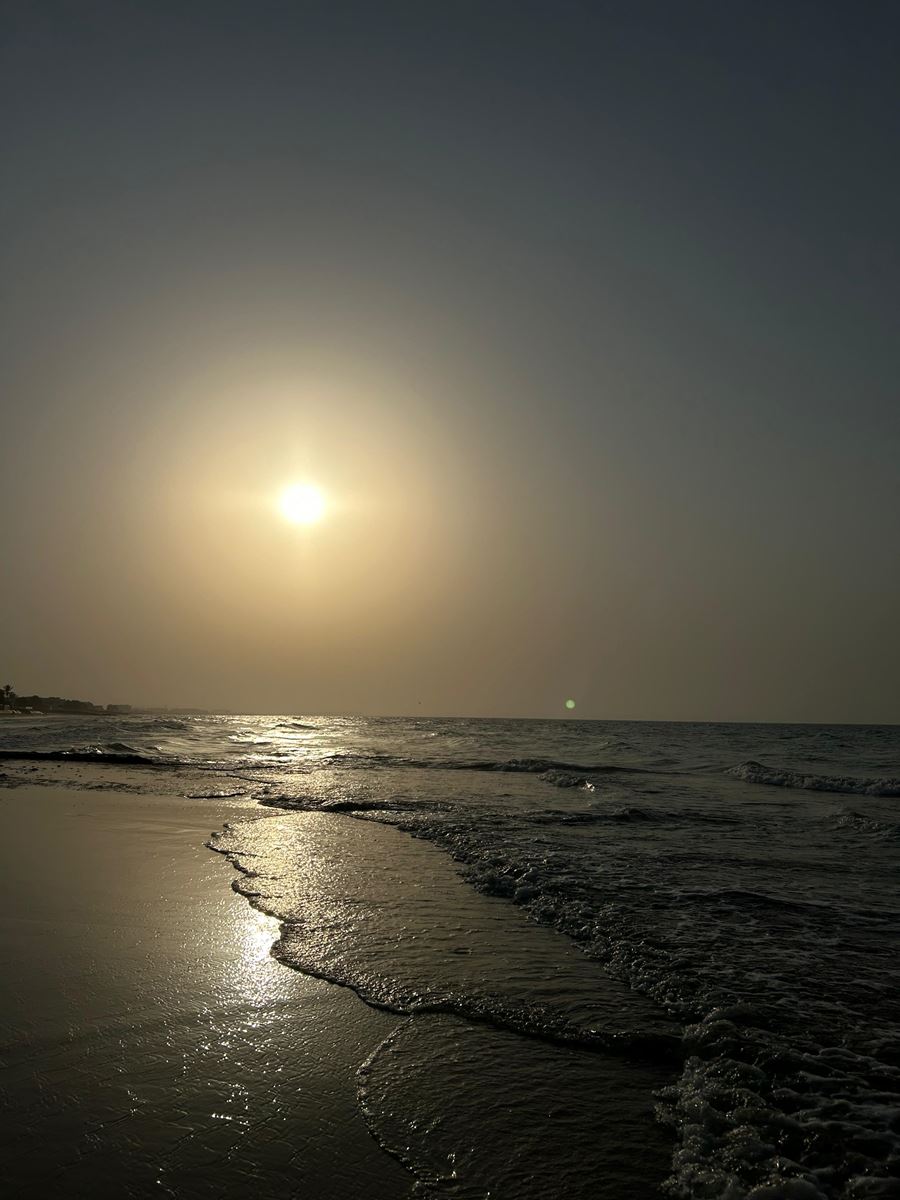
One of the greatest strengths of the programme was the teaching at the Sultan Qaboos Institute in Manaḥ. My teachers, Ustadh Majed and Ustadh Mustafa, combined expertise with patience, warmth and lots of humour. Students were given the chance and confidence to contribute (even if Ustadh Majed liked to joke that I asked too many questions!). I think Ustadh Mustafa would also be proud of the jinās nāqiṣ in the title of this blog post! His booming wa as-salāmu ʿalaykum wa raḥmatullāhi wa barakātuhu after finishing grammatical explanations will echo in my memories for a long while.
The Institute’s teaching methods were fantastic. Rather than overwhelming us with endless vocabulary lists, we focused on one theme stemming from one text a week. Ustadh Majed worked with us to select a small, targeted group of words and expressions each week from the materials so we could truly internalise them. The same applied to grammar: areas that had previously intimidated me, particularly balāgha (Arabic rhetoric), became accessible and enjoyable. Arabic grammatical terminology and their naming systems also became much more understandable to me; they were previously a major hurdle hindering my progress.
By the end of the programme, I realised that something fundamental had changed. The language no longer feels like something I assemble piece by piece in my head. Here in Oman, I have cried in Arabic, laughed hysterically in Arabic, complained, joked, and celebrated in Arabic. It has become a language in which I can simply exist. When speaking with my friend from Comoros (another student in my class at the Institute), I sometimes no longer notice when our conversations naturally shift between French and Arabic. My Egyptian friend was in awe when we spoke over the phone, taken aback by how much I had improved. The language no longer interrupts my thoughts. Instead, Arabic now carries my thoughts.
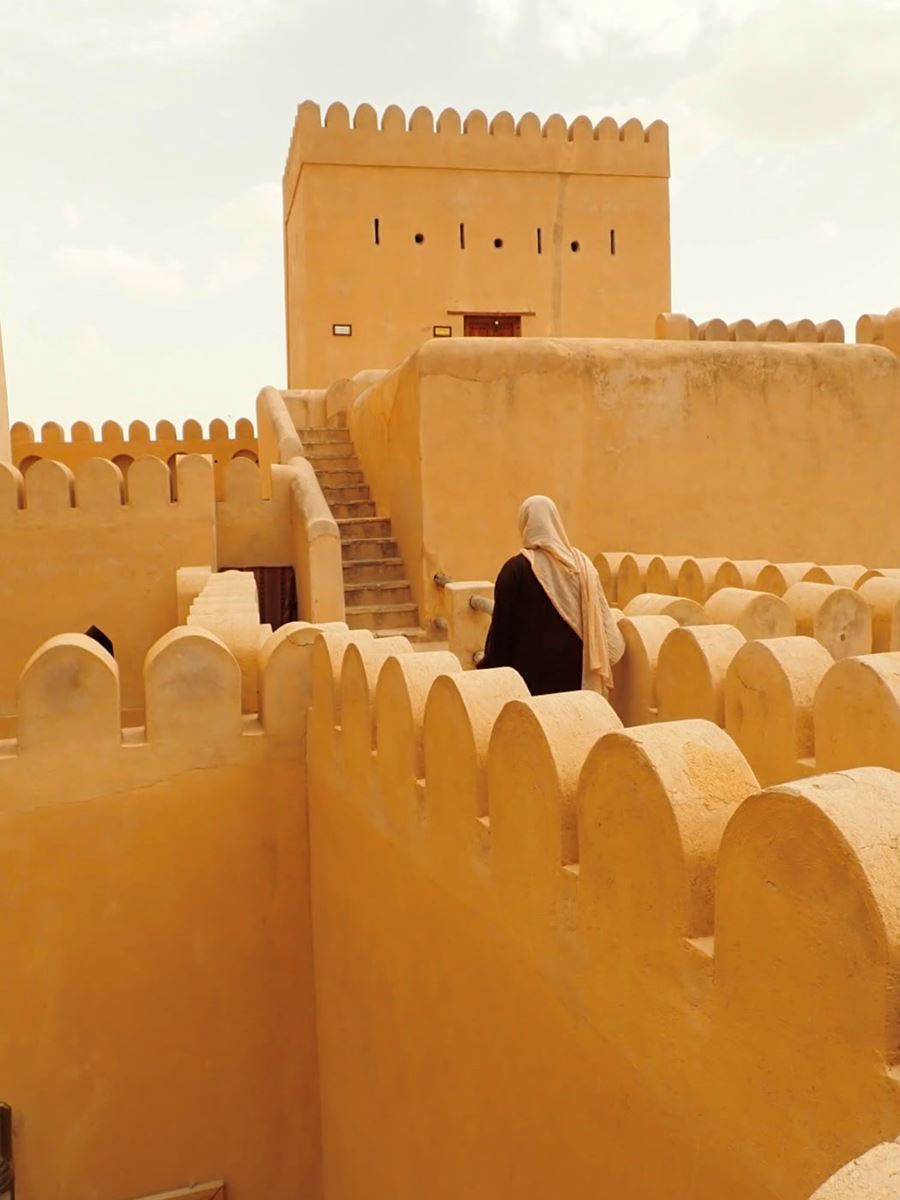
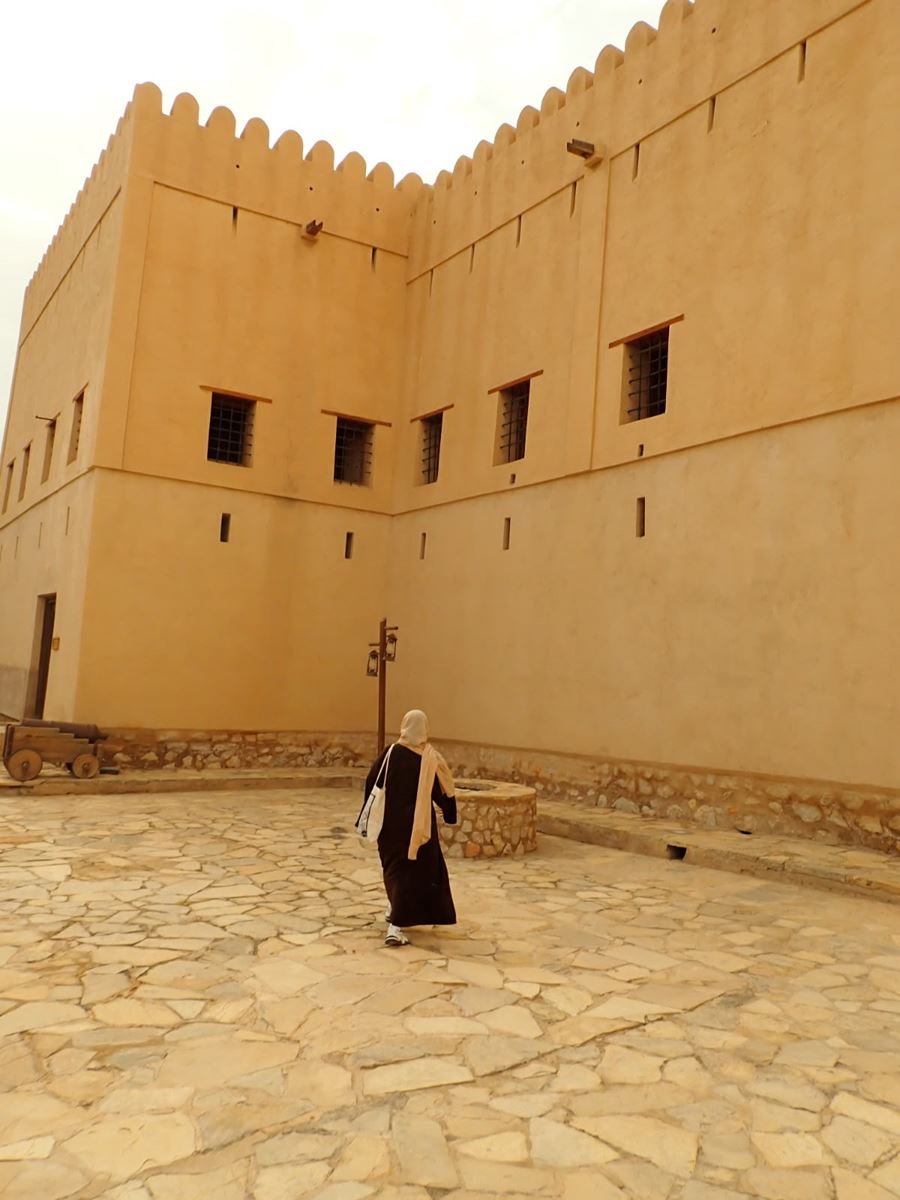
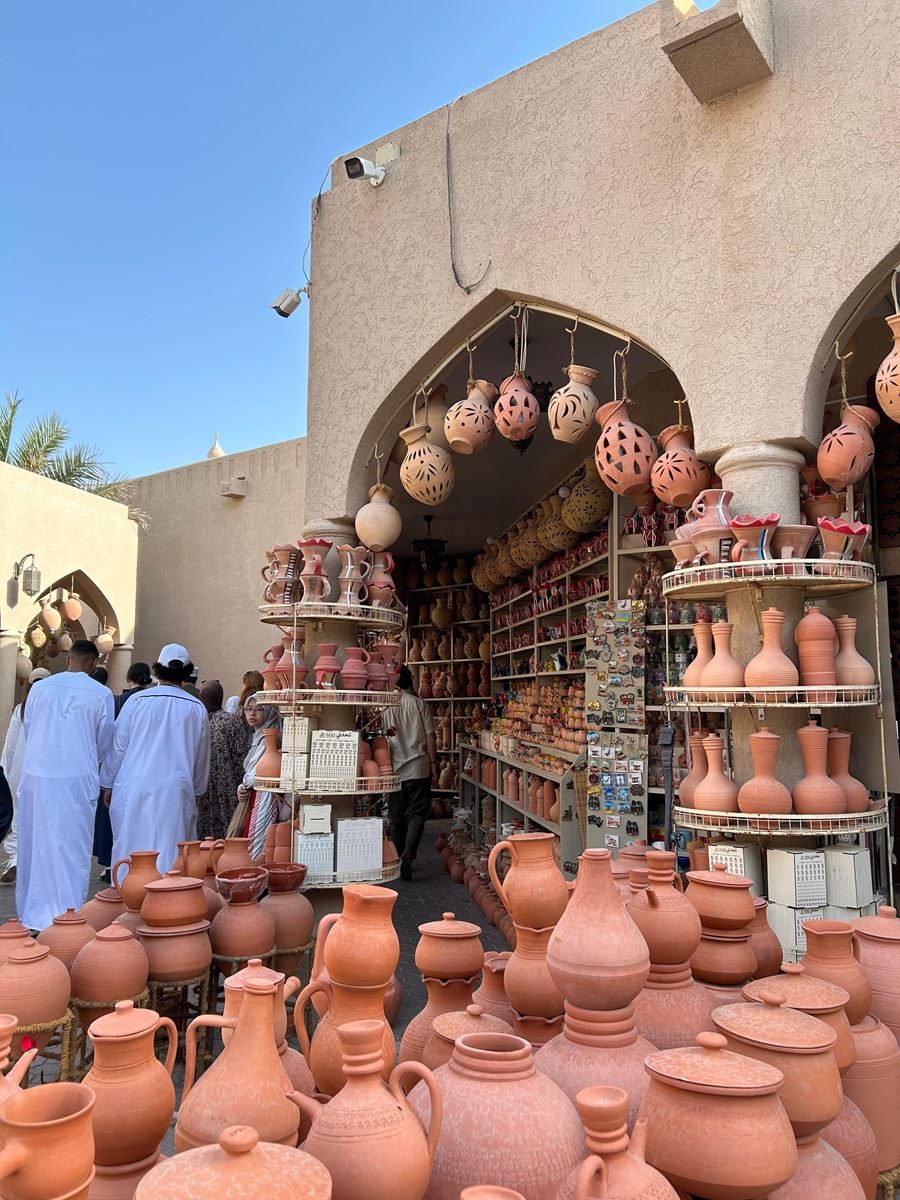
Outside the classroom, Oman itself became one of my greatest teachers. Exploring Nizwa’s historic souq, visiting forts and museums, travelling through the wadis, attending workshops and taking part in the Culture Evening helped me understand the country beyond books. One of my proudest moments was co-hosting the Culture Evening in Arabic on a stage with a microphone before an audience of nearly one hundred people, mainly Omanis, including the Governor of Al-Dakhiliyah. I surprised myself and everyone with how clearly I could speak, especially compared to before I arrived in Oman. It was a short programme that helped me break a ceiling in my progress.
Above all, I will remember the generosity and hospitality I encountered throughout my time in Oman. The language partners helped me prepare for the Omani cultural dress evening, choosing my outfit and perfuming me with bukhoor. The teachers in the Institute supported me through personal problems like an extended family of friendly uncles. I have been poured coffee regardless of my insistences. These were all small acts of kindness, but they made me feel warmly welcomed into Omani culture.
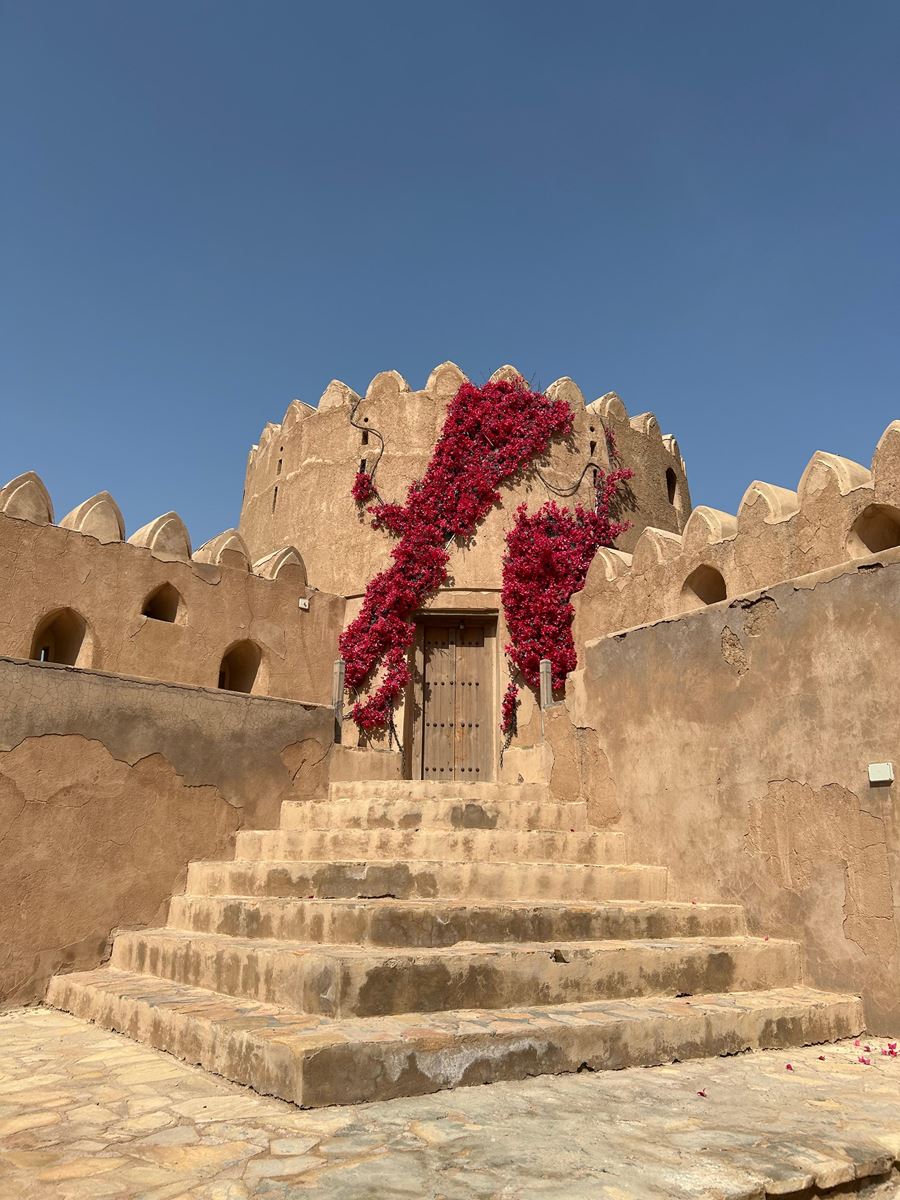
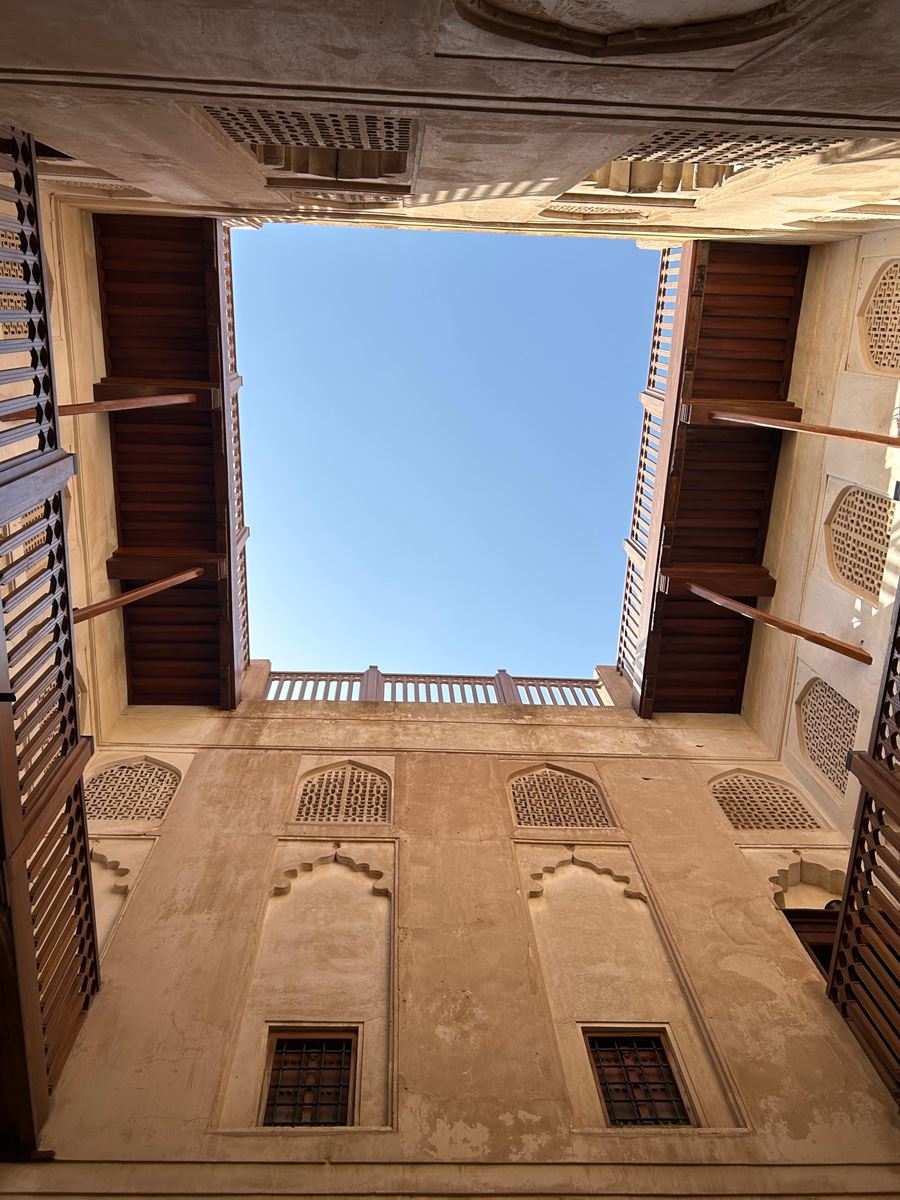
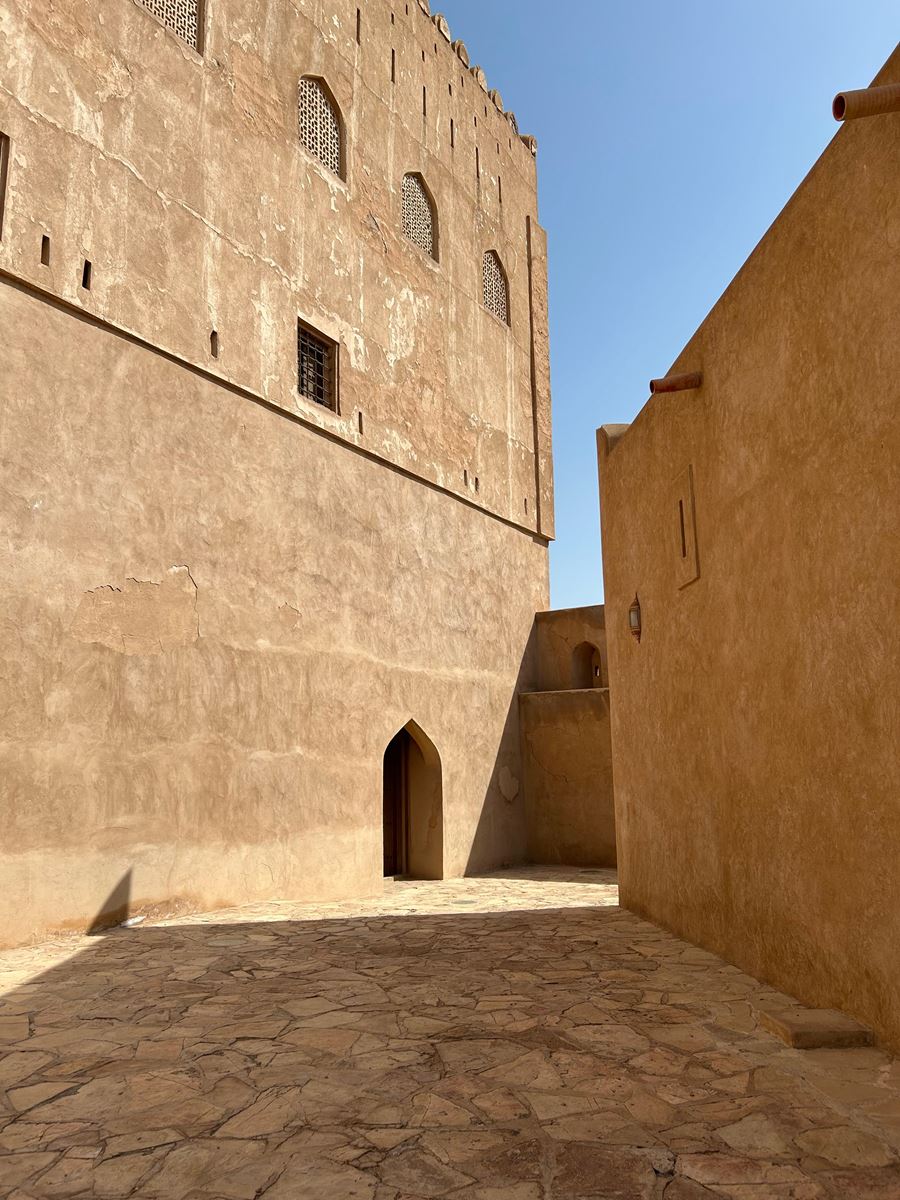
As I return to the UK, I leave with more than stronger Arabic for my studies. My confidence has been restored after taking several knocks. I leave with a fresh enthusiasm for Arabic. I carry a deeper appreciation for Oman, which, only a year and a half ago, to me was just a name in 19th century treaties from my seminars. I will miss the mountains that wind around every horizon I see, the red sunsets, and the delightful sight of even police stations built in a traditional style, complete with rounded merlons and crenels.
I will always be grateful to the British Omani Society, Sultan Qaboos Institute, and everyone who made this experience possible.
*Minḥa: The Arabic word for ‘scholarship’! It’s wordplay with Manaḥ, the name of the town the Institute is in. They sound very similar and come from the same root letters (م- ن - ح). The term for this specific wordplay is called jinās nāqiṣ, as mentioned in the post.
For more information on the Arabic Language Scheme.